
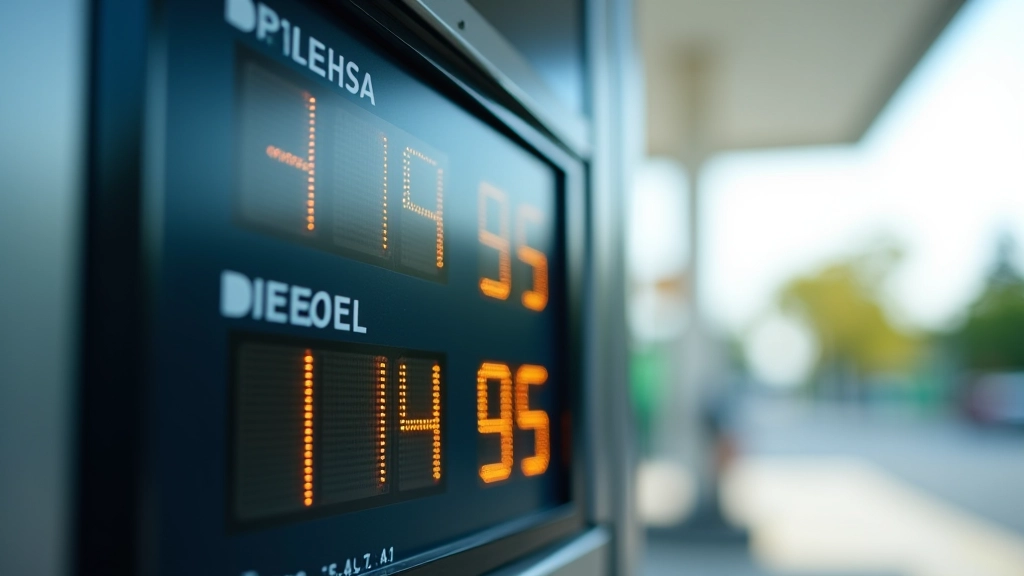
How RON95 and Diesel Prices Are Set
Explore the administered price system that determines fuel costs each week and what happens when global crude oil prices shift.
Read MoreEducational resources exploring RON95, diesel pricing, administered price systems, and how crude oil costs affect what you pay at the pump and beyond.
Learn how Malaysia’s fuel pricing mechanism works, what drives price fluctuations, and why transportation costs matter for everyday goods.
Dive into the fundamentals of Malaysia’s energy pricing structure and fuel cost dynamics
Explore the administered price system that determines fuel costs each week and what happens when global crude oil prices shift.
Read More
Understanding the direct relationship between global crude oil costs and Malaysian fuel prices at the pump each week.
Read More
The hidden connection between petrol prices and the cost of groceries, packages, and products delivered to your door.
Read More
How Malaysia’s government manages fuel pricing through the administered price system and why it works the way it does.
Read MoreThese are the two main fuel types available in Malaysia. RON95 is unleaded petrol with a research octane number of 95, while diesel serves heavy vehicles and some cars. Prices for both are set weekly using the administered price mechanism.
Malaysia’s fuel prices track global crude oil markets closely. When crude oil gets cheaper, prices at the pump typically drop. When it gets expensive, you’ll notice it at fuel stations within days or weeks.
Instead of letting market forces completely control prices, Malaysia’s government manages fuel costs through an administered system. This involves setting price ceilings and managing subsidies to protect consumers from extreme price swings.
When fuel costs rise, transportation expenses increase for logistics companies. These higher costs get passed along through supply chains, affecting the prices you pay for groceries, online purchases, and delivered goods.
Get answers to questions people frequently ask about Malaysia’s fuel pricing
Malaysia typically updates fuel prices every Wednesday. The new prices take effect on Thursday morning. This weekly update cycle allows the government to adjust prices based on global crude oil movements and exchange rates.
Global crude oil prices fluctuate daily based on international supply and demand. The administered price system in Malaysia adjusts local fuel prices weekly to reflect these global movements. This keeps prices relatively aligned with actual market costs while providing some stability through the administered system.
RON95 is the standard unleaded petrol available in Malaysia. The “95” refers to its octane rating, which measures fuel quality. Higher octane fuels (like premium variants) are available but cost more. Most regular cars run efficiently on RON95, while performance vehicles may require higher octane options.
The administered system allows the government to set price caps and manage subsidies. Instead of prices jumping dramatically when crude oil spikes, the system can absorb some of the increase to prevent extreme shocks. This provides some price stability while still reflecting global market realities.
Transportation is a major cost in moving goods from factories to stores to your home. When fuel gets expensive, delivery costs rise. Companies often pass these increased costs to consumers through higher prices on groceries, packages, and retail items. A 10-20% increase in fuel costs typically leads to noticeable price increases in delivered goods.