
How RON95 and Diesel Prices Are Set
Explore the administered price system that determines fuel costs each week and what happens when global crude oil prices shift.
Understanding Fuel Price Mechanics
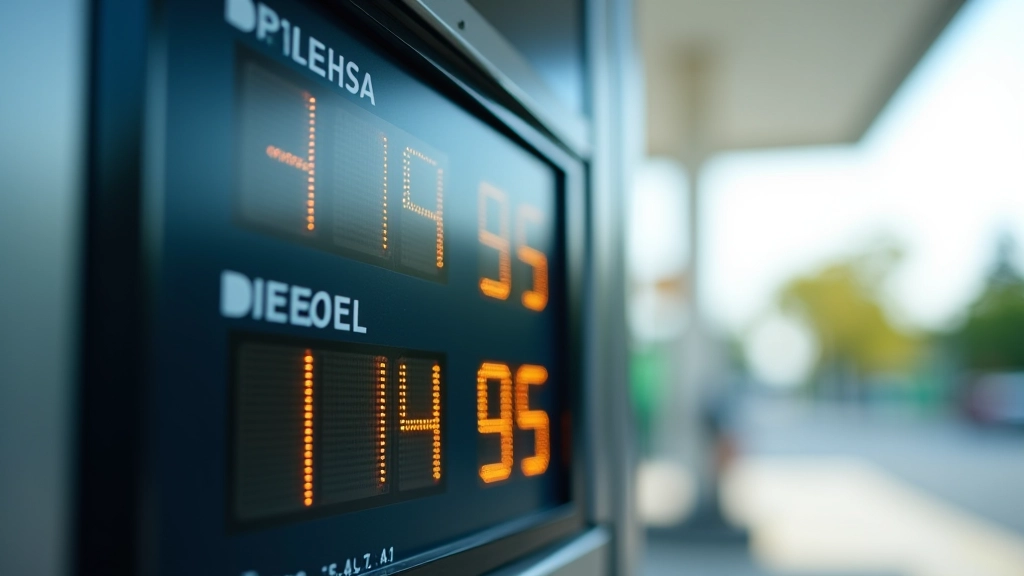
Every Monday and Thursday, fuel prices change at pumps across Malaysia. You’ll notice the price per liter shifts, sometimes by just a few sen, other times more noticeably. But here’s what most people don’t realize — these aren’t random adjustments. There’s an actual system behind it, and it’s tied directly to what’s happening in global oil markets.
Malaysia uses what’s called the administered price system (APS). It’s not like free-market countries where fuel companies set prices based purely on supply and demand. Instead, the government and oil companies work together to manage prices in a more structured way. Understanding how this works helps explain why your fuel costs change and what actually influences those shifts.
How the Administered Price System Works
The administered price system has three main components. First, there’s the crude oil cost — what Malaysia pays for raw petroleum on the global market. This fluctuates constantly based on international demand, geopolitical events, and supply levels. Second, there’s the refining cost — turning that crude oil into usable petrol and diesel. Third, there’s the distribution and retail margin — getting the fuel from refineries to your local pump and the profit stations earn.
What makes Malaysia’s system different is how these components are weighted. The government doesn’t let prices swing wildly every single day. Instead, they review global crude prices over a specific period — usually looking at what crude oil costs in the 10 days leading up to a pricing decision. They then calculate an average and adjust domestic prices accordingly. It’s a smoother approach than markets where prices change hourly.
Key Insight: The government reviews crude oil prices from roughly the previous 10 days to set the price for the next week. This 10-day window means prices aren’t reacting to single-day spikes or drops — they’re responding to actual trends.

Crude Oil Price Changes and Your Pump Price
When crude oil prices rise internationally — whether because of production cuts, increased global demand, or geopolitical tensions — Malaysia’s fuel prices follow suit. It’s not instantaneous though. Because the government uses that 10-day average method, there’s a lag. If oil prices spike on a Monday, you won’t see the full impact at pumps until the next pricing adjustment.
Conversely, when crude prices drop, pump prices eventually come down too. The relationship isn’t perfectly one-to-one though. There are other factors involved — currency exchange rates matter because crude is priced in US dollars, refining capacity, storage levels, and even geopolitical stability in key oil-producing regions. A 5% drop in crude doesn’t always mean a 5% drop in what you pay at the pump.
Real example: In early 2020, crude prices collapsed due to pandemic lockdowns. But pump prices didn’t drop immediately. The lag between global market changes and your local petrol station reflects both the 10-day averaging window and the time it takes for supply to adjust through the system.
RON95 vs Diesel: Why Different Prices?
Different fuel grades follow the same pricing mechanism but reflect actual cost differences
RON95 (Regular Petrol)
The most common fuel at Malaysian pumps. RON stands for Research Octane Number — 95 is the rating. It’s the baseline fuel grade that most regular cars use. It’s refined to specific standards and blended with additives. The price you see here is usually the reference point — other fuel grades price relative to this.
Diesel
Used in diesel engines — trucks, buses, and some cars. Diesel’s refining process differs slightly from petrol, which affects its cost. Diesel prices are usually lower than RON95 in Malaysia, though globally this varies. The price difference reflects actual refining costs, not government preference. Both follow the same weekly review system.
Premium Grades (RON97+)
Higher octane fuels cost more because they’re refined to stricter specifications and include more additives. They’re optional — not subsidized by the government like RON95. Luxury cars and high-performance vehicles often require or benefit from these grades. The price is purely market-driven for these products.
Why This Matters Beyond the Pump
You might think fuel price changes only matter if you drive. That’s not quite right. When diesel prices rise, transportation costs increase. Trucks, buses, and delivery vehicles all run on fuel. Companies pass these increased costs down the supply chain. Your groceries, packages, and goods all get more expensive to deliver. That new cost shows up in store prices within weeks.
The administered price system actually tries to smooth out these shocks. By using that 10-day averaging method instead of daily price changes, the government reduces sudden swings in transportation costs. This provides stability for businesses that depend on fuel prices to calculate their own pricing. A more predictable fuel cost means more predictable prices for everything else.
Understanding this system helps you see the bigger picture. When fuel prices climb, you’re not just paying more to fill your tank — the entire economy feels the pressure. Conversely, when crude prices drop globally, there’s a ripple effect that eventually benefits consumers across multiple sectors.


How to Track Price Changes
If you want to stay ahead of fuel price announcements, there are several reliable sources. The government usually announces new prices every Monday and Thursday morning. Major news outlets cover these announcements immediately. If you’re planning a long trip or need to budget for fuel, checking the news before those days helps you plan ahead.
You can also monitor global crude oil prices through financial news websites. While Malaysia’s lag means you won’t see immediate changes at pumps, watching crude trends gives you a preview of what’s coming. If crude spikes significantly, you’ll know pump prices will likely follow within 1-2 weeks. This isn’t guaranteed — the 10-day averaging and other factors create some unpredictability — but the correlation is strong.
For businesses dependent on fuel costs, understanding this system is crucial for forecasting. Companies track crude oil futures prices and historical crude-to-pump relationships to estimate their fuel costs months ahead. It’s not perfect, but it beats guessing.
The Bigger Picture
Malaysia’s administered price system isn’t random or arbitrary. It’s a structured approach designed to smooth out the volatility of global oil markets. Prices change weekly based on a 10-day average of crude oil costs, which means you’re getting adjustments that reflect real market conditions without the chaos of daily fluctuations.
When you see pump prices change on Monday or Thursday, you’re witnessing the government and oil companies responding to what happened globally in the previous 10 days. RON95 and diesel follow the same system but reflect their actual refining cost differences. And while it might seem like fuel prices only affect drivers, they ripple through the entire economy affecting everything from groceries to shipping costs.
The next time you fill up, you’ll understand what’s behind that price. It’s not just market forces — it’s a deliberate system designed to provide stability in an inherently volatile global commodity market.



Disclaimer
This article is provided for educational and informational purposes only. It explains how Malaysia’s fuel pricing system works based on publicly available information about the administered price system. Fuel prices fluctuate based on numerous factors including global crude oil markets, currency exchange rates, refining capacity, and government policy decisions. The information presented here is accurate to the best of our knowledge but isn’t intended as financial or investment advice. For the most current and official fuel price information, please consult official government announcements or energy ministry statements. Individual circumstances vary, and fuel costs may affect different people and businesses differently.