
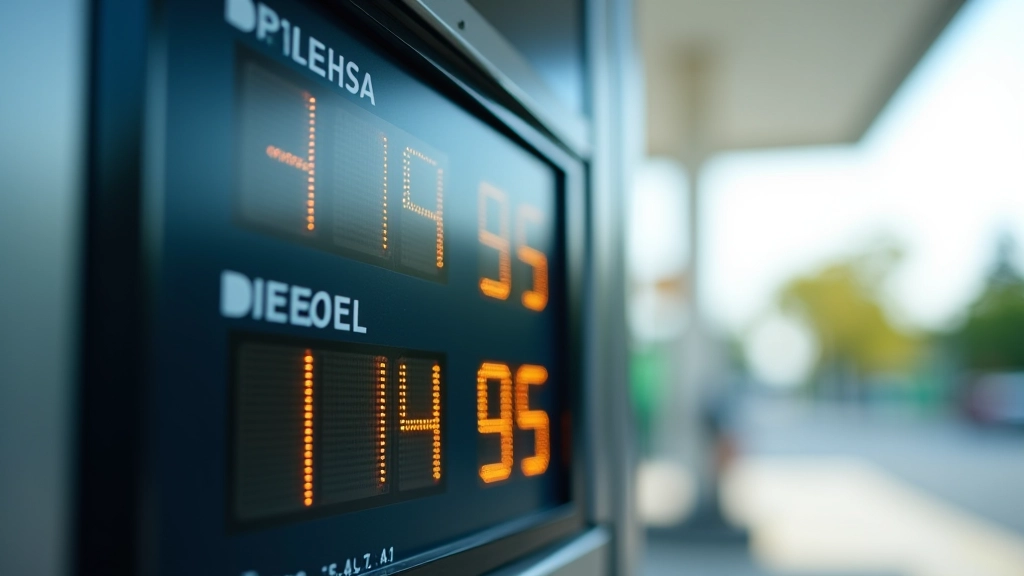
How RON95 and Diesel Prices Are Set
Explore the administered price system that determines fuel costs each week and what factors influence whether prices go up or down.
Read MoreHow Malaysia’s government manages fuel pricing through a structured mechanism and why understanding it matters for your wallet

Malaysia’s administered price system isn’t something most people think about when they fill up their car. But it’s the framework that determines whether fuel costs RM2.05 or RM2.35 per litre. It’s a deliberate government mechanism — not a free market situation where prices float based purely on supply and demand.
The system works like this: instead of letting global oil markets dictate local pump prices every single day, the government sets fuel prices weekly. They review international crude oil prices, foreign exchange rates, and domestic supply costs. Then they announce new prices that take effect every Wednesday. This isn’t unique to Malaysia — many countries use similar mechanisms. But understanding how it works here is crucial if you want to make sense of why your transport costs fluctuate.
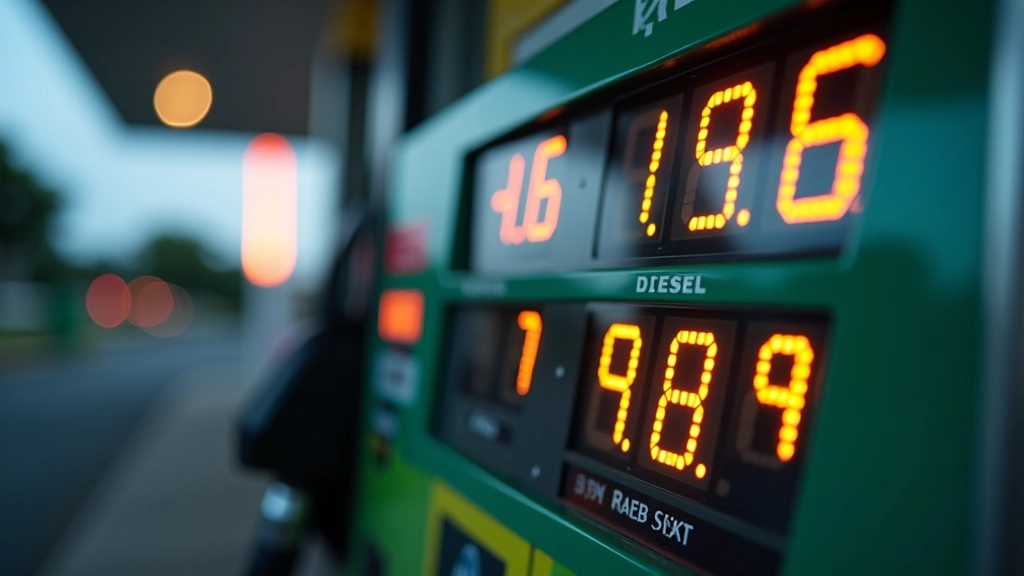

There’s a formula behind it. The government doesn’t just pick numbers randomly. They track Brent crude oil prices — the global benchmark — and look at what it’s trading for in US dollars. They also factor in the ringgit-to-dollar exchange rate because crude is priced internationally in USD.
Then they apply what’s called a “netback calculation.” This accounts for refining costs, distribution, retail margins, and a small government subsidy or tax depending on market conditions. The result? RON95 and diesel prices that reflect actual costs plus a reasonable margin. It’s transparent in theory — you can find the formula published — but the weekly adjustments still catch people off guard.
Every Wednesday morning, new prices take effect. But the government doesn’t decide this on Wednesday morning — they’ve been monitoring crude prices throughout the previous week. The Ministry of Domestic Trade and Cost of Living looks at the average Brent crude price from the preceding week, usually Monday through Friday, and calculates what the new pump prices should be.
Sometimes the new price is higher. Sometimes it’s lower. Sometimes it stays the same. The changes aren’t random — they’re directly tied to what happened in global oil markets. If crude spiked because of geopolitical tensions, you’ll see it at the pump within days. If oil fell because of softer demand, you’ll benefit quickly too. This is actually more responsive than many people realize.
The catch? You only get a few hours notice. Prices are typically announced Tuesday afternoon or evening. By Wednesday morning, stations are updating their signs. If you filled up Tuesday night, you might’ve paid significantly less than someone filling up Wednesday afternoon.


Here’s where it gets interesting. The administered price system allows the government to apply subsidies when crude prices spike dramatically. If the actual cost to produce and deliver fuel reaches RM2.80 per litre but the government wants to keep prices stable, they’ll absorb the difference. This is a subsidy — government money directly reducing what you pay at the pump.
But subsidies aren’t free. They come from government revenue. During high crude oil periods, these costs become substantial. The government sometimes decides that prices have risen too much relative to actual costs and lets prices rise closer to the true market level. This happened several times in the 2000s and 2010s. You’ll see it described as “subsidy rationalization” — basically, the government is stepping back and letting prices reflect real costs more directly.
When prices are low, the reverse can happen. The government might add a small tax to the price to collect revenue while keeping the pump price reasonable. This is less common but it shows the system can work both ways.
You might think fuel prices only affect people who drive. But they ripple through everything. When diesel costs rise, it’s more expensive to transport goods. Supermarkets pay more to receive shipments. Those costs get passed to you through higher grocery prices. A chicken might cost RM1 more per kilogram when diesel jumps by 20 cents. Your online shopping delivery fees might increase. Restaurant meals become pricier.
The administered price system tries to cushion these impacts by limiting extreme price swings. It’s not a perfect solution — you’ll still see prices change weekly — but it prevents the kind of shock-price situations that happen in pure free markets. Some economists argue it’s too protective and discourages fuel efficiency. Others say it’s necessary for economic stability.
Understanding the system helps you predict these changes. When you see that crude oil hit a 10-year high on the news, you can mentally prepare for higher pump prices the following Wednesday. When OPEC announces production cuts, you know what’s coming. This isn’t about getting rich — it’s about managing household budgets more intelligently.

Prices aren’t arbitrary. They’re calculated using crude oil prices, exchange rates, and production costs. The formula is transparent and published by the government.
Every Wednesday brings new prices. You get a few hours notice. Timing your fuel purchases around these updates can save real money throughout the year.
What happens in Middle Eastern oil fields directly affects Malaysian pump prices within days. Currency movements also play a major role.
Fuel costs drive transportation costs. Transportation costs increase prices for groceries, packages, and services. The system provides stability that benefits everyone.
This article provides educational information about how Malaysia’s administered price system works. It’s designed to help you understand the mechanics of fuel pricing and how it connects to broader economic impacts. The information reflects the system as it operates in 2026 and is based on publicly available government guidelines and historical pricing mechanisms. Actual prices, formulas, and government policies may change. For the most current fuel prices and official pricing information, always refer to the Ministry of Domestic Trade and Cost of Living’s official announcements. This is informational content — not financial advice, investment guidance, or economic forecasting.