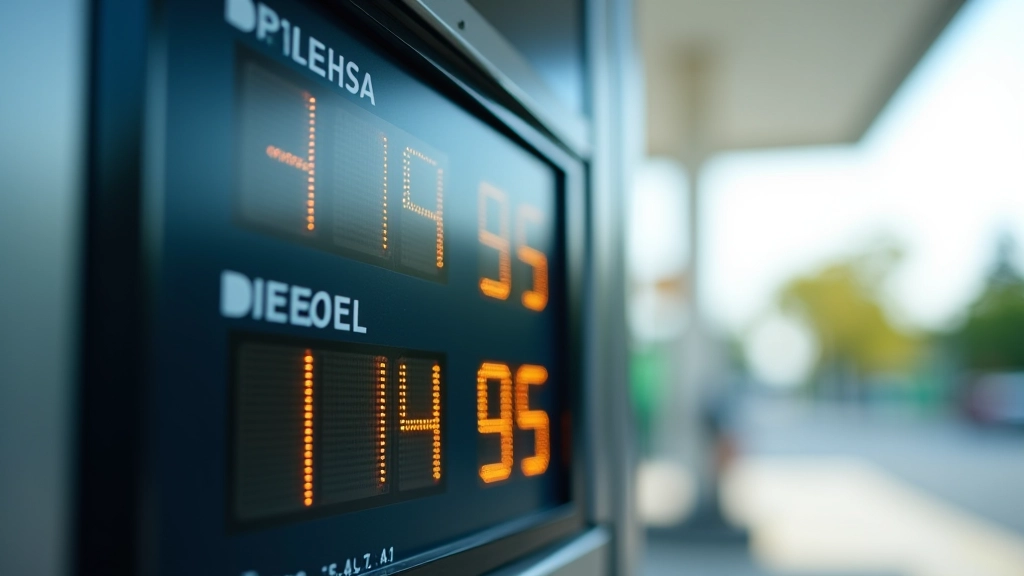
How Fuel Costs Impact Goods You Buy
The hidden connection between petrol prices and the cost of groceries, packages, and products delivered to your door.

Why This Matters to Your Wallet
When fuel prices jump, you notice it at the petrol pump immediately. But here’s what many people don’t realize — those price changes ripple through your entire shopping experience. Everything from your grocery bill to the cost of online deliveries gets affected by what’s happening in the fuel market.
The connection isn’t always obvious. A truck carrying fresh produce to the supermarket, a courier van delivering your online purchase, even the small convenience store at your neighborhood — they all depend on fuel to operate. When RON95 or diesel costs spike, businesses face higher transportation expenses. And frequently, those costs get passed on to you.
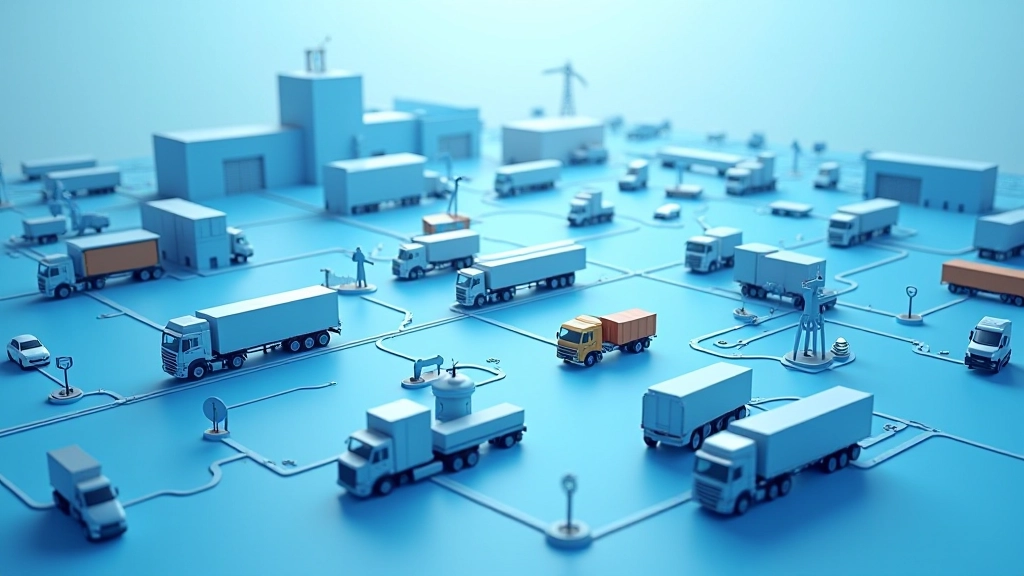
How Transportation Costs Work
Think about the journey a product takes before it reaches your hands. Raw materials come from suppliers — that’s one transportation cost. Then the product gets manufactured, often in a different location — another transport expense. Finally, it travels to warehouses and retail stores. Each step requires fuel.
For something as simple as a loaf of bread, you’re looking at multiple transport stages. Grain travels from farms, flour gets shipped to the bakery, finished bread goes to distribution centers, and trucks deliver it to shops. When diesel prices increase by 10%, that cost compounds across all these stages. A small increase in fuel can mean a noticeable jump in what you pay at checkout.
Different industries feel the impact differently. Fresh produce is especially sensitive because it’s time-sensitive and perishable — it can’t sit around waiting for fuel prices to drop. Businesses have to move it quickly, whatever the fuel cost. Manufactured goods with longer shelf lives sometimes have more flexibility, but they still face the same underlying pressures.
Which Products Are Most Affected?
Fresh Produce & Perishables
Fruits, vegetables, and dairy products are highly sensitive. They can’t be stored long-term, so transportation happens frequently. A 15% fuel price increase often shows up as a 5-8% price jump in fresh goods within weeks.
Packaged Foods & Beverages
Even non-perishable items like canned goods and drinks feel the impact. Companies often absorb costs for a while, but sustained fuel price increases eventually reach the shelf price. You’ll typically see changes after 4-6 weeks.
Delivery & Courier Services
Online shopping costs are directly tied to fuel. When you see delivery fees change or minimum order amounts increase, fuel prices are usually the reason. Express delivery becomes noticeably pricier during fuel spikes.
Medicines & Health Products
Pharmaceuticals require careful temperature-controlled transport, which costs more in fuel. Price increases here are more muted because they’re regulated, but they still happen gradually.
The Timeline of Impact
Here’s what typically happens when fuel prices shift. It’s not instant, but it’s fairly predictable.
Fuel Prices Change
RON95 or diesel prices shift (usually every Wednesday in Malaysia). Businesses immediately feel the pressure on their next delivery run.
Inventory Pricing Updates
Retailers update their ordering costs. New stock arriving at warehouses reflects the higher transportation expenses. Existing stock on shelves still has old prices.
Shelf Prices Adjust
As old stock depletes, new expensive stock takes its place. You’ll notice price tags changing on familiar items. Fresh produce changes fastest, packaged goods slower.
New Normal Settles
Price changes stick. Businesses recalculate margins based on new transportation costs. Unless fuel prices drop significantly, you won’t see reductions.

What You Can Actually Do About It
Understanding the connection doesn’t change prices, but it helps you make smarter choices. You’re not just dealing with random price increases — there’s actual logic behind them.
When fuel costs spike, consider buying more non-perishables while they’re still at old prices. Stock up on packaged goods that won’t expire quickly. For fresh produce, you might shift to what’s locally grown and in season — it travels shorter distances, so fuel cost increases affect it less.
If you’re paying attention to fuel price announcements (they happen every Wednesday), you can anticipate price changes at the store. That’s not about beating the system — it’s just being informed. Some people time their bigger shopping trips right before anticipated price increases, or shift to bulk buying when they can.
For online shopping, combining orders into fewer deliveries saves money because you’re spreading the fuel cost across more items. Smaller frequent purchases mean you’re paying delivery costs more often, which gets expensive fast when fuel is expensive.
The Bottom Line
Fuel costs aren’t separate from your daily expenses — they’re baked into everything you buy. When RON95 or diesel prices climb, it starts a chain reaction that eventually shows up in your shopping basket. Understanding this connection helps you see why prices change and anticipate when those changes might happen.
It’s not about panic buying or trying to outsmart the market. It’s about understanding how the system works so you can make informed decisions about your shopping habits and budgeting. The next time you notice prices creeping up, you’ll know exactly what’s happening behind the scenes.
Want to Understand More?
Learn how Malaysia’s administered price system actually works and why fuel costs move the way they do.
Read About Pricing SystemEducational Information
This article is for informational and educational purposes. It explains how fuel costs generally impact consumer goods pricing based on economic principles. Actual price changes may vary depending on specific business practices, supply chain configurations, and individual company strategies. The examples and timelines provided are typical but not guaranteed. For specific product pricing questions or personal financial decisions, consult relevant retailers or financial advisors.
Related Articles